The Central Nervous System: Why Integrated Management Software is Non-Negotiable in 2026
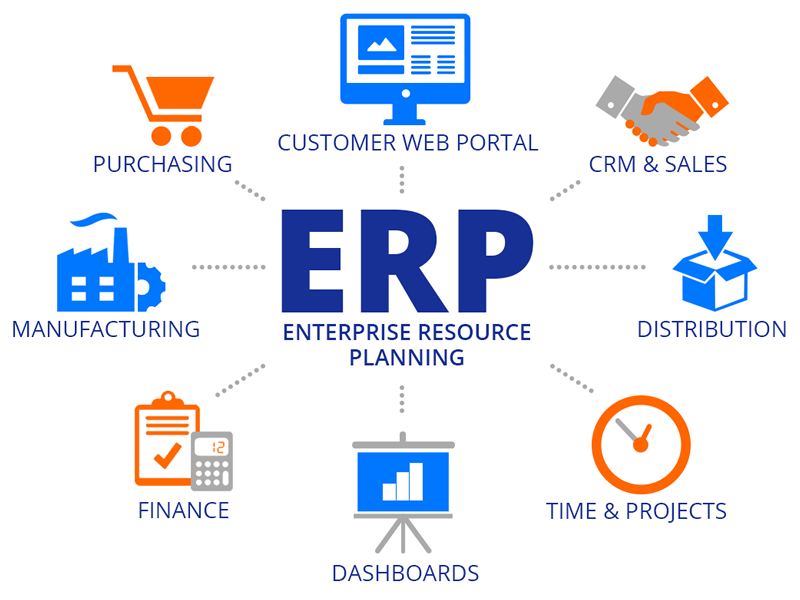
For years, businesses operated in “silos.” Marketing had its own tools, Accounting used separate spreadsheets, and Operations lived in a different world altogether. But in the hyper-connected landscape of 2026, fragmentation is the enemy of growth.
Modern Business Management Software (ERP) has evolved from a simple back-office tool into the central nervous system of the enterprise. It’s time to stop managing “tasks” and start managing “flow.”
1. Unified Data: One Version of the Truth
The biggest drain on productivity is “data friction”—spending hours trying to reconcile different reports.
- The Solution: An integrated management system provides a single source of truth. When a sale is made in Da Nang, the inventory levels in the warehouse update instantly, and the financial forecast in the head office reflects the revenue in real-time.
- The Result: Faster decision-making based on facts, not guesswork.
2. The AI-Driven Efficiency Boost
In 2026, the best management software doesn’t just record what happened; it predicts what will happen.
- Intelligent Automation: Modern platforms use AI to automate repetitive workflows—from matching invoices to optimizing supply chain routes.
- Predictive Insights: Your software can now alert you that a specific raw material will run out in three weeks based on current production trends, allowing you to restock before a crisis hits.
3. Scalability: Growing Without the Growing Pains
Many businesses fail not because they lack customers, but because their internal processes break under the pressure of growth.
- Elastic Infrastructure: Cloud-based management software allows you to scale your operations instantly. Whether you are adding ten new employees or opening five new international branches, your software expands with you without requiring a massive overhaul of your IT infrastructure.
4. Empowering the Hybrid Workforce
The “office” is no longer a physical location; it’s a digital environment.
- Anywhere Access: Management software in 2026 is mobile-first. Managers can approve budgets, track project milestones, and monitor real-time KPIs from a smartphone while traveling. This transparency keeps teams aligned, regardless of time zones or zip codes.
5. Security and Compliance in a Complex World
With global data regulations (like GDPR and its successors) becoming stricter, managing compliance manually is a legal minefield.
- Built-in Governance: Top-tier business software automates compliance, ensuring that data is encrypted, access is logged, and financial reports are audit-ready at the click of a button.
The Final Word
Choosing the right management software isn’t just a technical decision; it is a leadership decision. It defines how your team collaborates, how your customers experience your brand, and how quickly you can pivot in a changing market.
In 2026, the most successful companies aren’t the ones with the most employees—they are the ones with the most intelligent systems.
Is your current software holding you back or propelling you forward? Let’s discuss the future of business operations in the comments!
